

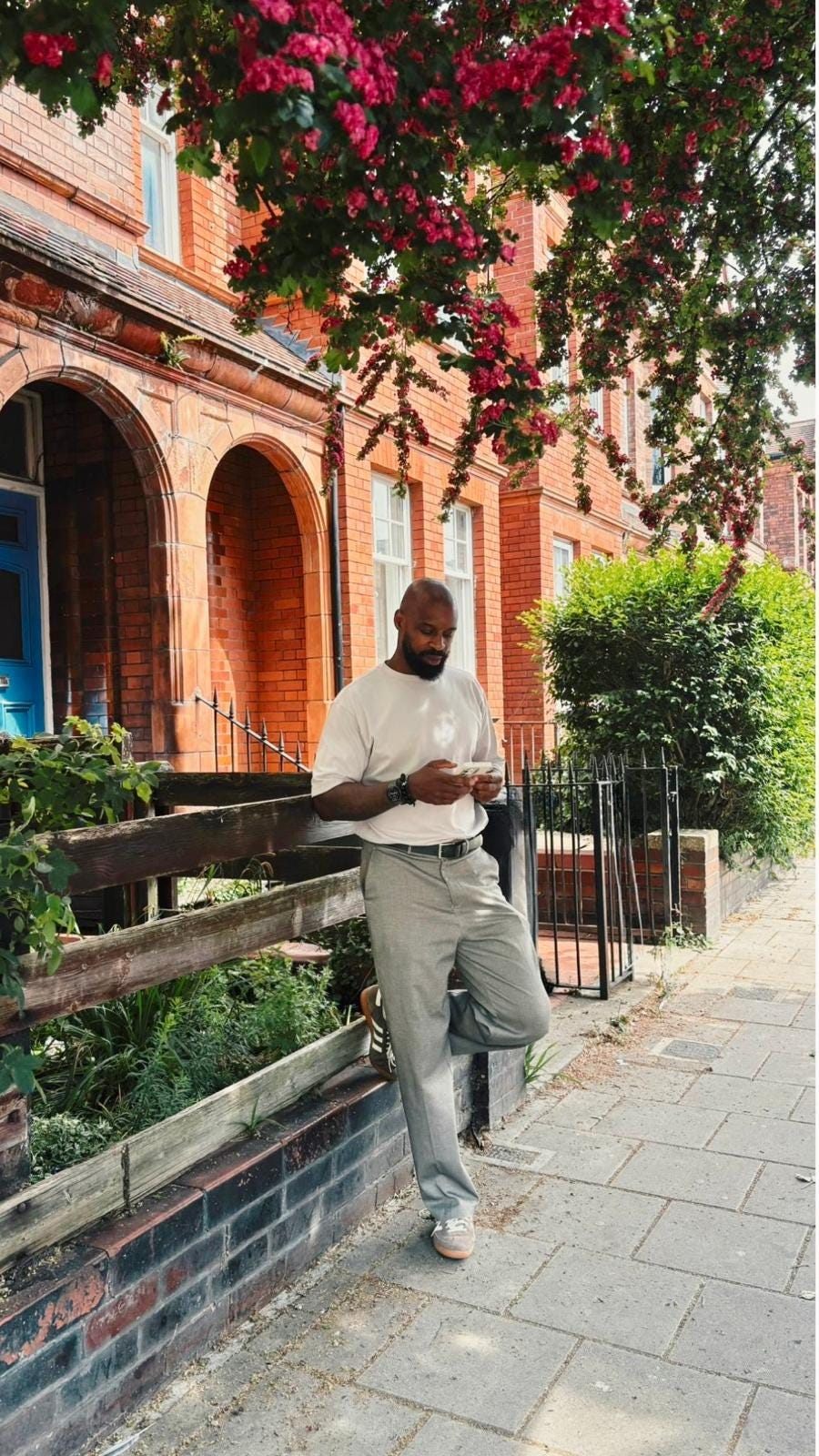
Welcome to the very first one.
I’ve been meaning to start this for longer than I’d care to admit — so here it is. A note from me, every week or so, on homes, the market, and this corner of South London I’ve never had any desire to leave.
Let’s get into it.
First, a small confession
World Cup fever has well and truly got me. The only snag is the time difference — half these kick-offs land at an hour when any sensible person is fast asleep, and I’ll be honest, I am not always a sensible person.
Which might explain something from this week. A buyer emailed me positively glowing about her solicitor, who’d replied to her in the small hours of the morning. Dedication, she thought. My first thought? Mate… which match are you watching?
I’ll let you draw your own conclusions.
This week’s piece — before you drop your price
A price adjustment takes an agent five seconds. It can cost you tens of thousands. Here’s what should happen before anyone touches that number.
If your home has been on the market a while, you’ll probably recognise the call. It tends to come gently, and usually on a quiet week. “The market’s a bit cautious right now… buyers are taking their time… maybe we should look at the price?”
And here’s the thing — sometimes that’s exactly the right conversation to have. But far too often it’s the first conversation, when it really should be one of the last.
Because a price adjustment is the easiest lever we have. It takes seconds. A few clicks, the number updates on Rightmove, and everyone feels like something’s been done. But stop and look at what’s actually changed: nothing. Same photos. Same description. Same reach. Same video — or, more likely, still no video at all. The home is exactly as it was the day before. It’s just cheaper.
And the person who pays for “cheaper” isn’t us. It’s you.
So before you agree to lose £10,000, £20,000, or more, here’s what I’d want every seller to run through first. None of it is complicated. It’s just the stuff that should have been firing on all cylinders from day one — and the questions worth asking before you accept that the price is the problem.
1. The video — does your home actually have one?
Here’s the one most homes simply don’t have — which is exactly why it matters. A still photo shows a room; a video lets a buyer walk through your home before they’ve even picked up the phone. It shows flow, light, the feel of a place — the things that make someone fall for it rather than just approve of it.
Homes that move on screen hold attention in a way a gallery of stills never can, and attention is the whole game — especially now that buyers are scrolling social of an evening, not just the portals. Yet most listings still don’t have one. So if yours doesn’t, that isn’t a small gap to shrug off. It’s the biggest, easiest piece of marketing still sitting on the table.
Ask your agent: where’s my video — and where is it being shown?
2. The photos — are they genuinely good, or just there?
Video may be the difference-maker, but photos are still where most buyers first meet your home — mid-scroll, deciding in a fraction of a second whether to stop or keep going. Get them wrong and you lose people before they ever reach the video.
So look at yours honestly, as if you were a buyer who’d never seen the place. Are they bright, considered, well-composed? Or slightly dark, a bit flat, taken quickly on a grey afternoon? Tired photography quietly costs you viewings long before the price ever does — and the cruel part is you never see the buyers it lost you. They just kept scrolling.
Ask your agent: when were these taken, and would you be happy to reshoot?
3. The reach — where has my home actually been seen?
This is the one most sellers never think to ask, and it’s arguably the most important. Putting a listing on Rightmove is not a marketing strategy. It’s the bare minimum. It’s a shop window on a busy street — useful, but passive. It waits for the right person to wander past.
Think about it this way: a home that’s only on the portals is being marketed almost exactly the way homes were sold fifteen or twenty years ago. The world has moved on an enormous amount since then — and your buyer has moved with it. They’re on social media in the evening, scrolling, following what’s coming up in the area they want to live in. They’re right there. So why on earth wouldn’t your home be there to meet them?
Real marketing goes and finds the buyer. So ask where your home has actually appeared beyond the portals. Has it been on social media? Has it been put in front of a genuine local audience — the people who already want to live in your area and follow what’s coming up in it? How many people have actually seen it, and where?
If the honest answer is “it’s on the portals and that’s about it,” then your home hasn’t been under-priced. It’s been under-marketed. Those are two very different problems, and only one of them is fixed by you losing money.
Ask your agent: beyond Rightmove, where has my home been promoted — and to how many people?

Your buyer is already here — on these streets, and on social media, just like you.
4. The listing itself — when was it last looked at?
Read your own listing again. The headline, the description, the order the photos appear in. Does it open with something that makes you want to see more, or does it lead with the same flat, copy-and-paste phrasing every other listing uses?
A listing isn’t a “set it and forget it” job. Refreshing the wording, leading with a stronger photo, sharpening the headline — these cost nothing and can change how the same home is received entirely.
Ask your agent: can we revisit the copy and the lead image before we touch the price?
5. The feedback — what is it actually telling you?
Every viewing and every enquiry is data, if someone’s bothering to collect it. Are people coming and saying it’s lovely but too expensive? That’s a genuine price signal worth listening to. But are people coming at all? Because if the viewings simply aren’t happening, the problem usually isn’t the price — it’s that not enough of the right people are seeing it in the first place. Which takes you straight back to points one, two and three.
Ask your agent: what’s the actual feedback from viewings — and how many viewings have we genuinely had?
6. The refresh — and the truth about “relaunching”
You’ll sometimes hear an agent talk about “relaunching” a home to make it look new again. It’s worth understanding what is, and isn’t, actually possible here — because it’s widely misunderstood.
On Rightmove, a sales property has to be completely off the portal for 14 weeks before it can come back as genuinely new — new date, top of the results, back out in buyers’ alerts. That rule exists on purpose, to stop agents quietly removing and re-adding homes to fake a fresh start (the trade calls it “portal juggling”). Take your home off and pop it back on a few weeks later and it simply returns with its original date, marked as back on the market — not new. No seller is realistically going to pull their home for fourteen weeks, so for all practical purposes you can’t just “relaunch” your way to a clean slate.
So what genuinely helps a tired listing, short of dropping the price? Two things.
First, refresh what’s actually there. A new lead photo, a fresh set of images, a video, a sharper headline and description. None of that resets the date — it updates quietly — but it completely changes what a buyer sees and feels when they land on your listing. And the lead photo, remember, is what decides whether they land on it at all.
Second — and this is the big one — take your home where the portal’s rules simply don’t apply. Social media, and a genuine local audience. There’s no fourteen-week wait, no “reduced” stamp, no permission needed. You can put your home in front of the right people, presented at its best, as freshly and as often as you like — directly in front of the buyer who’s scrolling of an evening, following what’s coming up in the area they want to live in. This is the avenue most sellers’ homes never get. It’s also exactly the one that’s been quietly transforming how homes actually sell.
And the price? A price adjustment only pushes your home back into Rightmove’s alert emails if it’s 2% or more — smaller trims tend to slip by unnoticed. And if you are going to move it, land on a figure that sits at a search threshold rather than just below one: drop to £500,000 rather than £499,950, and you show up for everyone searching up to half a million and everyone searching from it — the busiest junction there is. Slip just under a band and you can become the dearest home in the bracket below, seen by fewer of the right buyers.
But even done well, an adjustment still goes out flagged as reduced, which carries its own quiet “what’s wrong with it?” signal — and it costs you real money to send. The point of a price drop was never simply a smaller number; it’s fresh eyes on your home. You can win those same fresh eyes through better marketing and direct reach instead. One route spends your money to buy attention. The other earns it.
Ask your agent: before we touch the price, what can we refresh — and where else can we take this, beyond the portals?
And to be fair — sometimes the price is the thing
I’m not going to pretend price adjustments are never right, because that wouldn’t be honest, and honesty is rather the point of all this. Sometimes a home genuinely is priced ahead of its market, and the kindest, most effective thing an agent can do is have that straight conversation with you. A good agent will, and they’ll have the evidence to back it up.
I’ll be straight with you, because honesty is the whole spirit of this piece: I have adjusted a marketing price before. It happens, and pretending otherwise would be daft. But it is my absolute last resort — and I would never dream of asking a seller to do it if I hadn’t first covered the major bases. Quality photography. A video. Real exposure beyond the portals, where the buyers actually are. If those things aren’t in place, then the price was never the problem — and asking you to drop it would simply be me handing my own unfinished work to your bottom line.
But — and this is the whole point — you can only know the price is the problem once everything else has been done properly. If the photography is excellent, the video’s out there, the home’s been seen by thousands of the right people, the copy’s sharp, and the viewings still aren’t converting, then yes, the number is probably telling you something. That’s a price conversation you can trust, because it’s been earned.
An adjustment should be the last move, not the first reflex.
There’s one more thing worth knowing, because it’s rarely said out loud. Not every high asking price starts out honestly. Some agents will quote a figure they know is ambitious — sometimes one they don’t truly believe — simply to win the instruction, because the agent who promises the biggest number is often the one who gets the signature. And once you’ve signed, you’re typically tied in for twelve, sixteen, sometimes twenty weeks. That’s ample time to let the quiet do its work and then, gently and reasonably, begin walking you back down towards the figure they had in mind all along. By then the early momentum’s gone, the listing looks tired, and you’re left feeling you’ve little choice but to agree.
So here’s the principle worth holding onto, whoever you’re with: you should stay with an agent because of the service they give you — never because you feel trapped. A tie-in period is not a reason for your price to come down.
The real relaunch: a fresh start, on your terms
Here’s the part most agents won’t volunteer, for fairly obvious reasons. If you’ve worked through this list and the marketing simply isn’t there — and isn’t going to be — then the thing that’s gone stale may not be your home, or even your price. It may be the agent.
And this is where a genuine relaunch actually becomes possible. While the same agent can’t reset your listing inside 14 weeks, a change of agent generally can. Under Rightmove’s current rules, when a new agent takes over and lists your home, it can return with a fresh “Added on” date — new to market, back in the alerts, top of the results — as long as they haven’t marketed it before. Not a toggle, not a trick: a real new beginning, this time with someone who’ll do the photography, the video, the copy and the social exposure the home needed in the first place.
That’s the real difference between a refresh and a relaunch. One makes the current listing work a little harder. The other gives your home the clean slate it’s been denied — new price if you choose, new images, new story — on your terms, rather than as a reaction to a quiet week.
One important thing before you act: check the agreement you signed. Sole agency arrangements usually carry a tie-in and a notice period, and leaving early, or letting two periods overlap, can mean owing a fee. Read the terms, or have someone read them with you, first. A fresh start is only a good one if it doesn’t cost you on the way out.
The bit that matters
When you put your home on the market, you’re not just hiring someone to stick it on a website and wait. You’re trusting someone to fight for every pound of what it’s worth — and to exhaust every other option before they ask you to give any of those pounds away.
That’s the standard worth holding your agent to. Not because most agents are bad — plenty are good and work hard — but because it’s your money, your home, and your move, and you deserve to know that nothing was left on the table before the price came down.
So if that call comes this week, you don’t have to just say yes. You can say: “Before we do — have we done everything else first?”
That one question can be worth tens of thousands.
Around the manor
A few bits from my week:
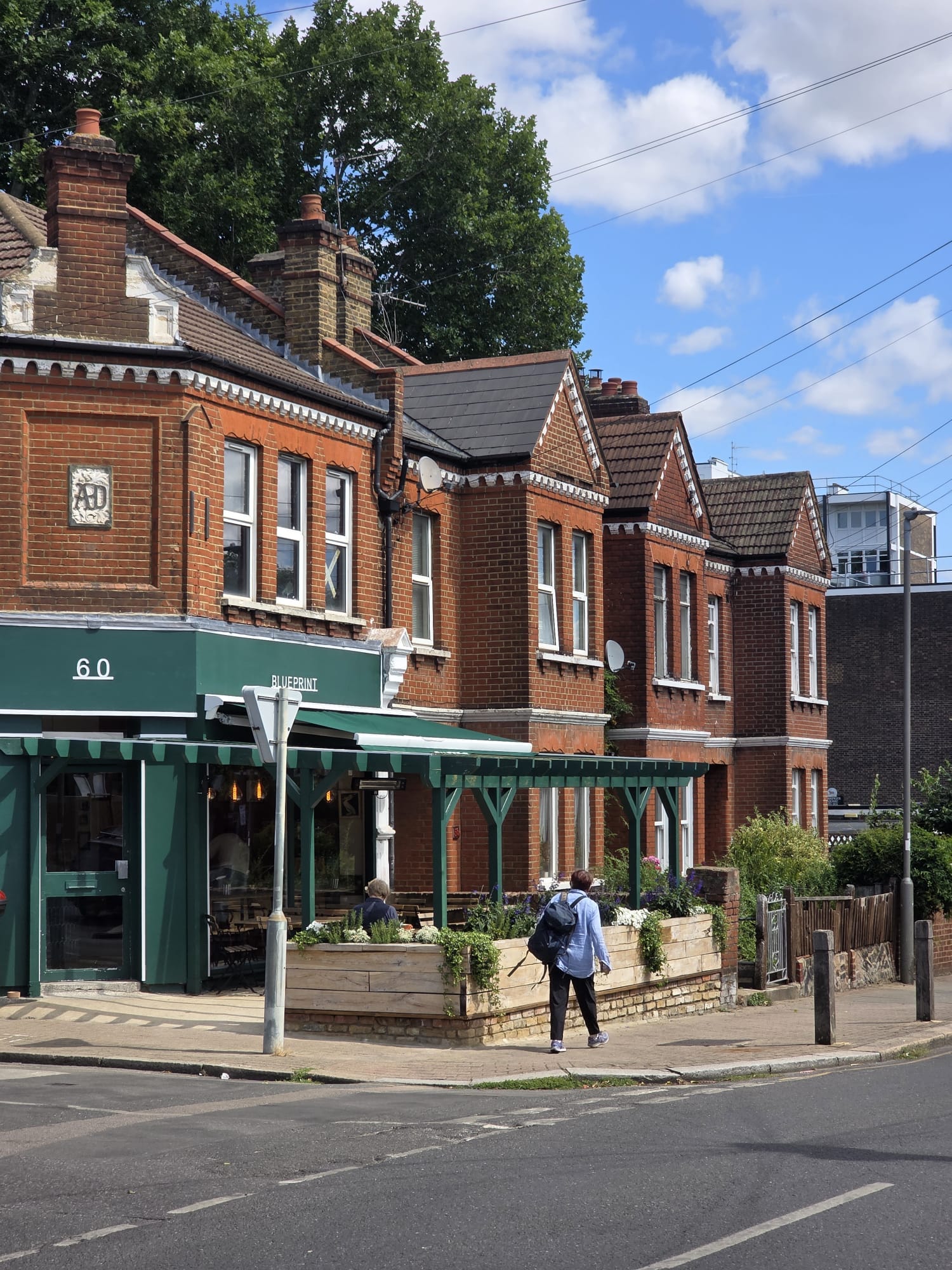
Home turf.
I actually managed a rare lunch break — caught up with a fellow self-employed agent for a bite. Though I’m not sure it counts as lunch when nine-tenths of the conversation is market talk: the recent highs, the odd low, generally comparing notes. He’s over in Wandsworth, and as our patches border each other the conditions are near enough identical — so it’s always useful to compare reads. Good to hear he’s as busy as I am, too. Quietly reassuring, that.
Otherwise it’s been a genuinely busy one, and I’ll admit the part I love most is simply answering your questions — the advice requests, the “can I just run something past you.” Honestly, keep them coming.
And a little teaser: I sat down this week with a wonderful local business about featuring in a future Meet The Neighbours. This one’s a bit different to the ones before, so keep your eyes peeled for it later in the year. In the meantime, there’s another Meet The Neighbours landing in the next week or so.
And one I’m genuinely chuffed about: viewings start this weekend on Kayleigh’s two-bed flat in Tooting Broadway. Everything I’ve banged on about up above — proper photos, a video, real exposure beyond the portals — is exactly what we put in place for her home. This weekend, it does its job.

With Kayleigh — viewings on her Tooting Broadway two-bed start this weekend.
One for sellers
Thinking of selling later this year — or early 2027? Start the conversations now.
There’s no downside to speaking to agents early. It lets you choose the right one properly and unhurried, and it gives them time to get you prepped. There’s a real advantage, too, in getting your professional photos taken now, while everything’s green and lush. Come the grey months, a home that shows blue skies and greenery stands out a mile against a sea of listings with a flat, grey outlook.
And — you knew this was coming — please, please get your agent to do a video. It’s how your home earns its place on social media, right in front of the buyers who are actually out there scrolling.
Until next time
That’s your lot for issue one. If any of it struck a chord — or there’s something you’d like me to tackle in a future issue — just hit reply, or drop me a line at hello@homeswithchuk.co.uk.
Au revoir 👋🏾
Chuk
Looking after a handful of homes across Tooting, Balham & Streatham — personally, from valuation to completion.